
Cybersmile Campaign Gains Ground As Meta Expand Teen Feed Control
Meta's new teen feed controls reflect the changes Cybersmile has been pushing for through Stop the Forced Feed.
A roundup of our latest updates, activities, and announcements.
Meta's new teen feed controls reflect the changes Cybersmile has been pushing for through Stop the Forced Feed.

The EU KIDS Act brings algorithmic control and safer feeds into lawmaking after Cybersmile took Stop the Forced Feed evidence directly to the European Commission.

Paralympic champion and disability advocate Anastasia Pagonis joins Cybersmile to champion kindness, accessibility, and safer online spaces.

Cybersmile's Stop the Forced Feed marks another landmark milestone as algorithmic harm enters the regulatory mainstream and recommendation systems become central to online safety.

Likes and Lows 2026 reveals how social media, cyberbullying, and online comparisons impact self-esteem and wellbeing.
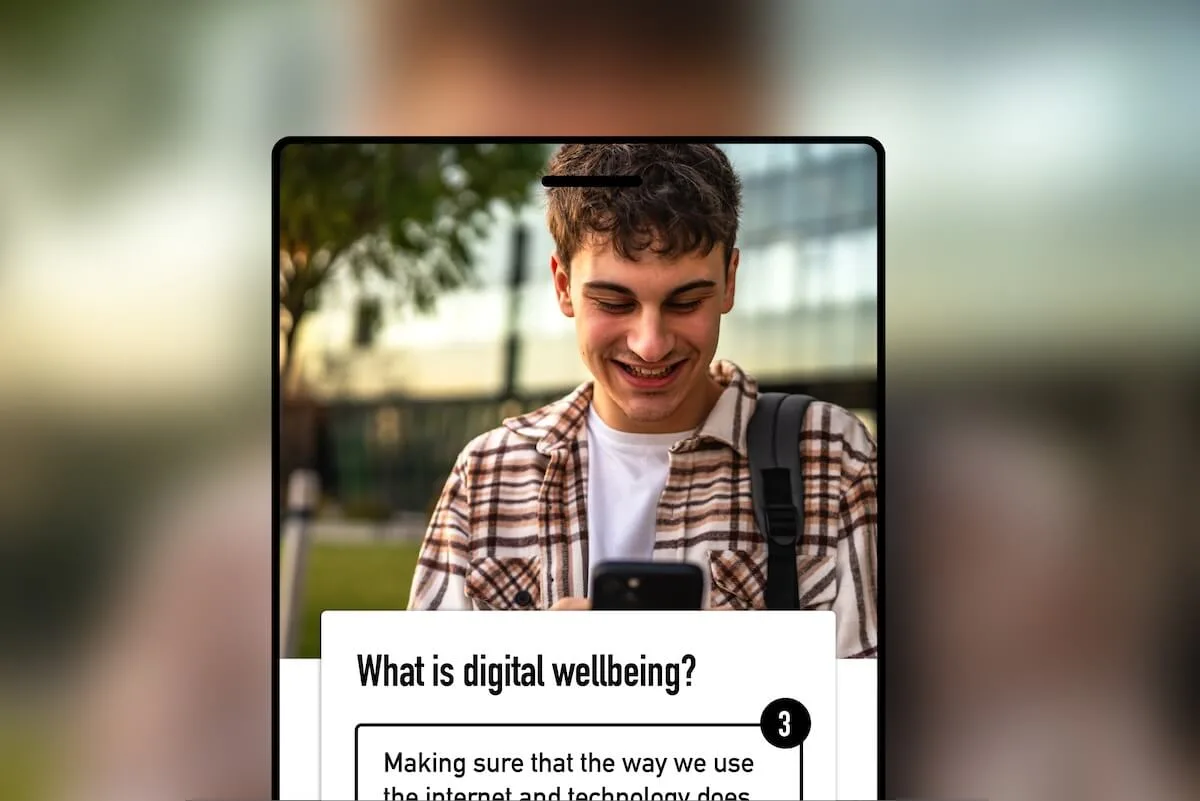
Digital Wellbeing 2026 offers valuable insights into our relationship with social media, AI, and automated algorithms.

We are proud to mark Stop Cyberbullying Day 2026 by announcing a series of events happening around the world.

Cybersmile's Stop the Forced Feed marks a milestone moment as user agency enters the mainstream, and control over algorithmic systems begins to be rebalanced.

Joint research and evidence-informed resources will be created to help people deal with cyberbullying and support their self-esteem.

Licensed psychotherapist and Principal Manager of Clinical Operations at BetterHelp Melissa Hummelt shares her thoughts on the impact of cyberbullying on mental health.

Professor of Communication in Mental Health Dr Michelle O'Reilly explores the impact of social media on young people's mental health.

Behavioural scientist Charlotte Walton explains how social media algorithms shape our reality.

New research shows how mainstream internet infrastructure is used by websites hosting AI-generated non-consensual intimate imagery.

The UK is preparing device-level child safety laws, signaling a wider shift in online safety from individual platforms to phones, operating systems, and apps.

Research linking social media to body image concerns shows that beauty pressures can begin at a young age, often leading to anxiety and unrealistic beauty standards.

Clegg's departure will see Joel Kaplan, a former Republican White House deputy chief of staff, step into the position.

New research findings reveal the significant impact of online bullying on young girls mental and physical health.

The study's findings highlight the growing complexity of bullying and violence among youth.
A surge in the development of ChatGPT and generative AI chatbots has prompted child safety concerns.

The study of 10,000 children also found that young people who bullied others had similar symptoms.

Meta's decision to implement teen accounts marks a significant step toward addressing concerns about youth safety on social media.