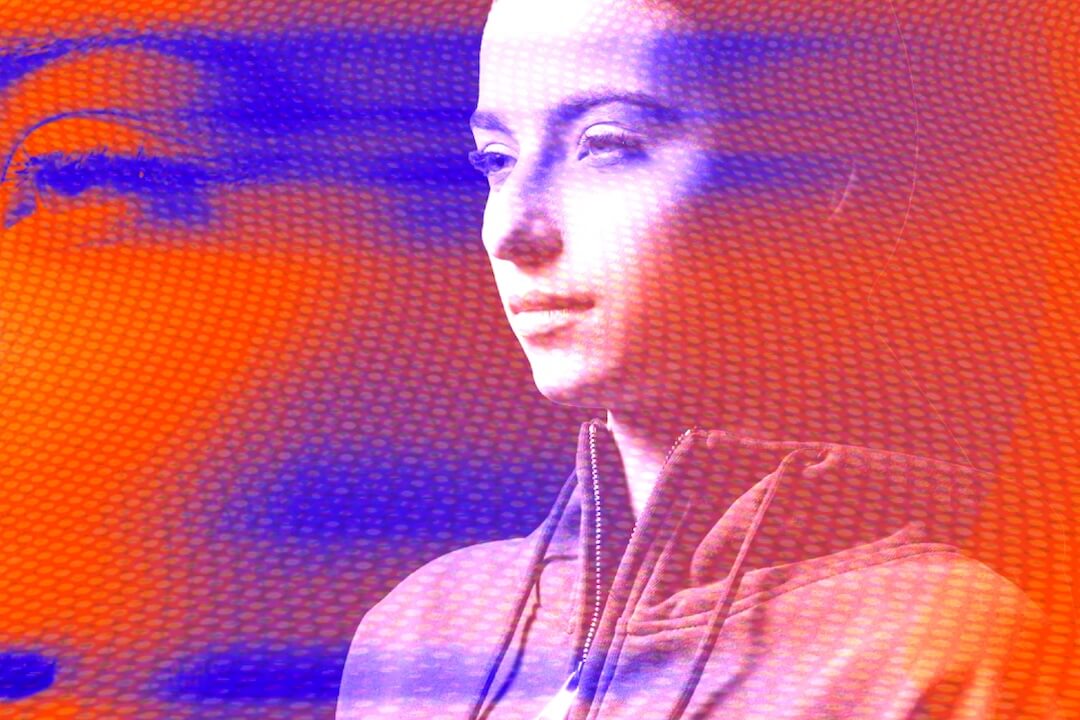
We are proud to announce the launch of Likes and Lows 2026, a new Cybersmile report in partnership with Korean skincare brand Erborian exploring how online interactions, social comparisons, unrealistic beauty standards, and cyberbullying can influence self-esteem and the way people feel about themselves.
Likes and Lows 2026 asked 1,000 nationally representative US respondents a series of questions about cyberbullying, self-esteem, social media engagements, social comparisons, online safety, and the role that beauty brands can play in supporting more positive online experiences.
As part of our ongoing insights program, this latest research adds to our continuing work in understanding our relationship with technology and how it affects our physical and mental wellbeing.
The research is part of our long-term partnership with Korean skincare brand Erborian to tackle cyberbullying and improve self-esteem, which was announced last month. Findings from the research will inform Cybersmile support resources as well as the development of a new co-branded Cybersmile x Erborian Self-Esteem Academy designed to help people of all ages recognize online pressures, protect their self-esteem, deal with cyberbullying, and develop healthier relationships with online environments.
These findings show that self-esteem is not just about individual confidence; it is also about the design, tone, and expectations of the spaces people use every day. Education can give people the skills they need to recognize when online experiences are negatively affecting them and respond in ways that protect their wellbeing.
Laura Lewandowski, Chief Policy Officer, The Cybersmile Foundation
Online impact on self-esteem
The report highlights the extent to which online validation and social comparison can influence how people feel about themselves:
- 69% say their opinion of themselves depends on what others think to some extent
- 58% say social media interactions such as likes, comments, and views affect how they feel about themselves
- 66% compare themselves to people or lifestyles they see on social media
- 60% say content they see online negatively affects their self-esteem
Together, these findings point to a clear need for practical education that helps people understand how online comparisons, feedback loops, and unrealistic standards can affect self-esteem, confidence, and self-worth.
Cyberbullying and online safety
Likes and Lows 2026 also highlights the ongoing impact of cyberbullying on self-esteem and wellbeing:
- 34% of respondents say they have experienced cyberbullying or harassment online
- 25% say they would ignore cyberbullying or abuse and hope it stops
- 15% say they would retaliate and fight back against cyberbullying
These findings reinforce the importance of providing individuals with the tools and resources to respond to online abuse. Education can help individuals make informed decisions, access support when needed, and better protect their wellbeing in digital spaces.
How people respond when online content affects self-esteem
When asked what they would do if something online was negatively affecting their self-esteem, respondents gave a range of answers:
- 47% say they would take a break from the content or platform
- 30% say they would try to adjust what they see in their feed
- 25% say they would talk to someone about their feelings
- 15% say they would not do anything
- 14% say they would keep engaging with it regardless
These findings demonstrate the value of practical, non-judgmental tools that help people pause, reflect, and make healthier choices when online content starts to affect their confidence or wellbeing.
The role of beauty brands online
A central theme in Likes and Lows 2026 is the role that beauty brands can play in shaping healthier online spaces. The report found strong public support for brands taking responsibility for the messages and standards they promote as well as the way they use their platforms:
- 68% agree that beauty brands should support positive self-esteem and confidence
- 67% agree that beauty brands should use their platforms for good
- 66% agree that beauty brands should prioritize wellbeing over unrealistic trends
- 65% agree that beauty brands should be transparent about editing or enhancements
- 65% agree that beauty brands should promote realistic beauty standards
- 63% agree that beauty brands should represent diverse skin tones and body types
People want the brands they love to help create online environments that are more realistic, inclusive, and supportive of self-esteem and wellbeing. Through initiatives like Likes and Lows 2026, Cybersmile and Erborian continue to champion positive self-esteem, encourage healthier online interactions, and support individual wellbeing, helping to foster a more inclusive and supportive digital environment.
A call for positive change
Likes and Lows 2026 reinforces the need for resources and programs that support self-esteem and self-worth as well as online safety. At Cybersmile, we believe this requires:
- Effective education programs that help people recognize unhealthy online pressures
- Tools that support safer responses to cyberbullying, harassment, and harmful content
- Greater transparency around edited, enhanced, or unrealistic online imagery
- Greater commitment from brands, platforms, and communities to promote realistic standards and inclusive representation
- Accessible support for people whose self-esteem, self-worth, or wellbeing is affected online
The research was conducted by Censuswide on behalf of Cybersmile between 05.07.2026 and 05.11.2026 across the US. The sample of the study is representative of US demographics across all 50 states.
Explore the full Likes and Lows 2026 report for deeper insights into online influence, self-esteem, and the role that education, brands, and communities can play in creating healthier digital spaces.